

Fastener inspection machines that check every bolt, nut and screw.
One damaged thread reaching an OEM can cost a fastener plant its rating. Visimaster machines inspect every single bolt, nut and screw at production speed — so defective pieces get sorted out before dispatch, not after a complaint. A fastener inspection system from Visimaster is configured to your bolt, nut or screw and its own defect list, not a generic camera check.
Defects caught
- Head Damage
- chips, deformation or tool marks on the fastener head
- Shank Damage
- marks, flats or dents along the plain shank
- Hex Damage
- rounded, dented or incomplete corners on a hex head or hex nut
- Head Crack
- a crack in the head, usually from forming or heat treatment
- Thread Dent
- a local flattening of the thread crest
- Dirt Mark
- dirt, oil or residue on the surface
- Thread Crack
- a crack running across or along the thread
- Burr
- a sharp raised edge left by cutting or forming
- Thread Damage
- any damaged, crushed or incomplete thread form
Other checks: Hole detection, OCR-OCV, Operation Missing, Absence/Presence Verification
How fastener inspection works on a Visimaster line
- 1
Feed
- Manual or automatic loading places bolts, screws or nuts onto the glass disc one at a time
- Headed fasteners ride the Metal Disc; small batches hand-fed on the Nano Glass Disc
- 2
Inspect
- Six camera stations in one revolution: top, side, taper, top face, bottom face, 360° outer surface
- Nuts: across-flat, across-corner, thread presence and pitch variation
- Bolts: major and minor diameter, PCD, half-thread, hole continuity, OCR/OCV on the head marking
- Surface: head and hex damage, head cracks, thread dents and cracks, burrs, dirt marks
- 3
Sort and report
- Failed parts separated automatically; good parts ejected in counted, quantity-wise batches
- Up to 300 PPM on the Glass Disc, up to 200 PPM on the Nano Glass Disc, repeatability from 5 µm
- Nano Glass Disc saves every result with batch-wise and SPC reports
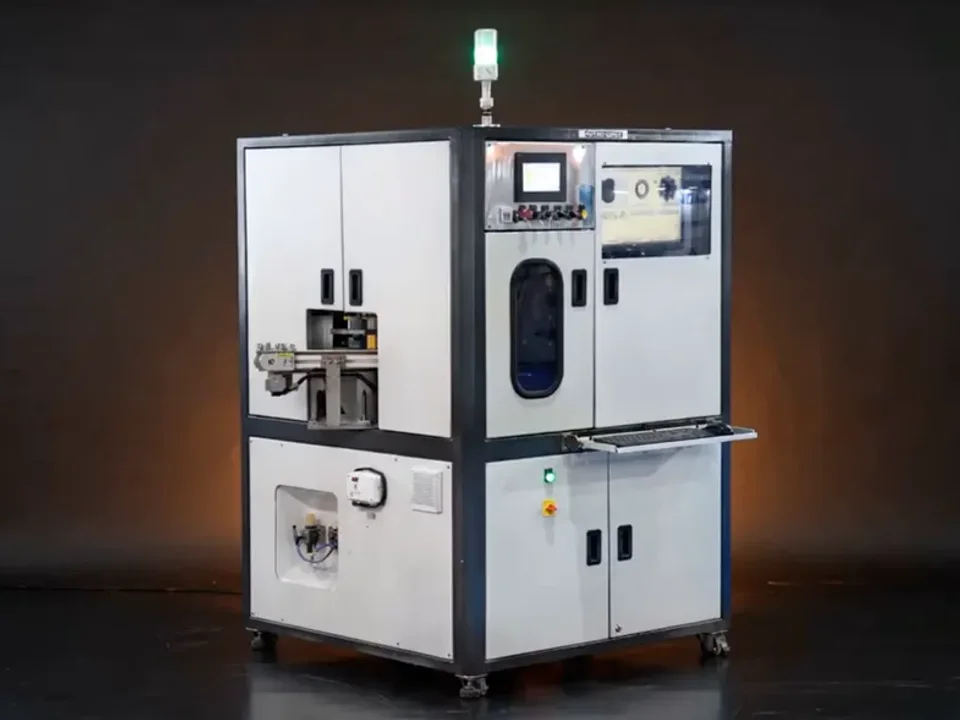
Metal Disc
360° · multi-stationBolts, screws, ball pins and headed fasteners — dents, cracks, thread damage and 360° surface defects caught at multiple inspection stations.
- Cameras
- 4
- Footprint
- 1500 × 1800 × 2110 mm
- Weight
- 600 kg
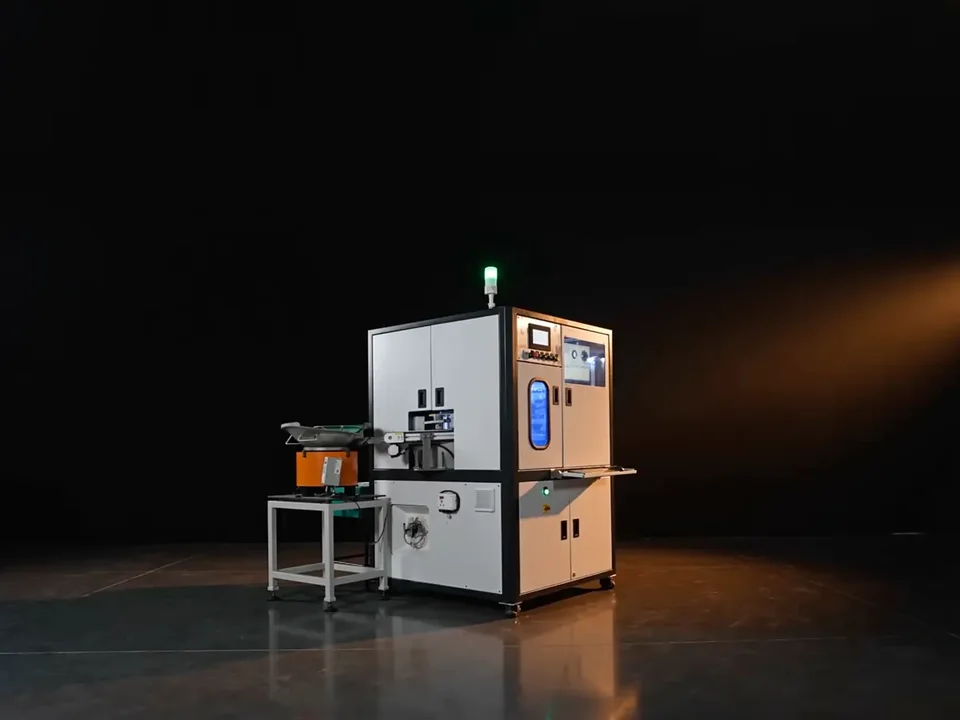
Glass Disc Machine for Bolts Inspection
300 PPM · 360° + OCRScrews · Allen Bolts · Flange Bolts · Flat Head Bolts · Hex Bolts, Banjo Bolts
- Cameras
- 5
- Footprint
- 2150 × 1700 × 2110 mm
- Weight
- 600 kg
Glass Disc Machine for Nuts Inspection
300 PPM · thread checksHex Nuts · Flange Nuts · Square nuts · Weld Nuts · Dome Nuts · Nyloc Nuts
- Cameras
- 7
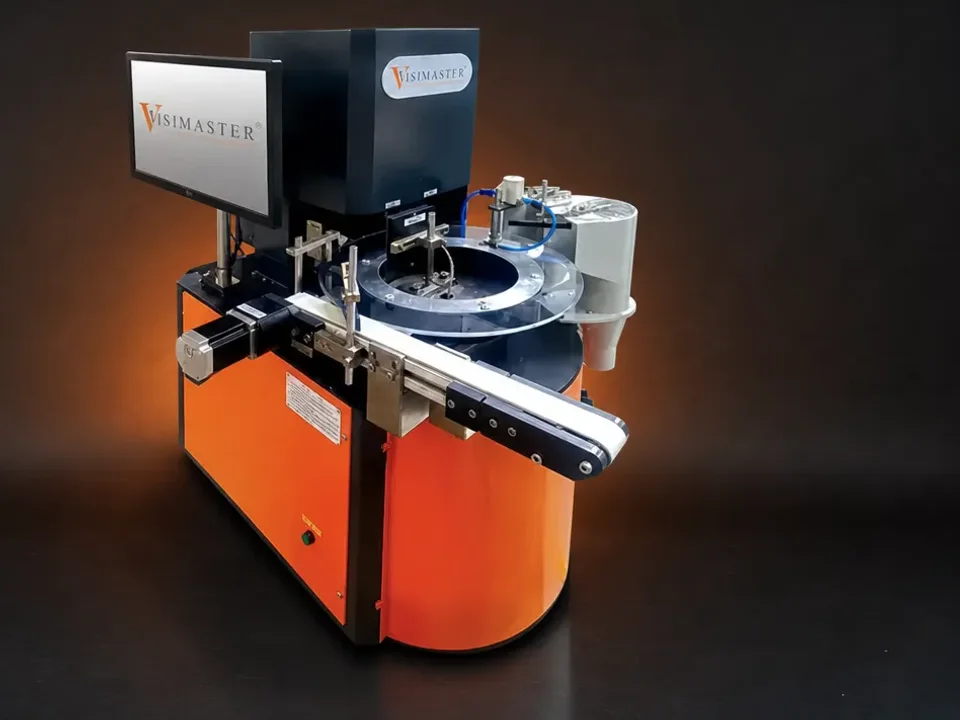
Nano Glass Disc
200 PPM · table-topCompact table-top glass disc for turned precision parts, fasteners and washers — detailed dimensional inspection in a bench footprint.
- Cameras
- 2
- Footprint
- 1000 × 600 × 900 mm
- Weight
- 100 kg
The parts, and the defects the cameras catch
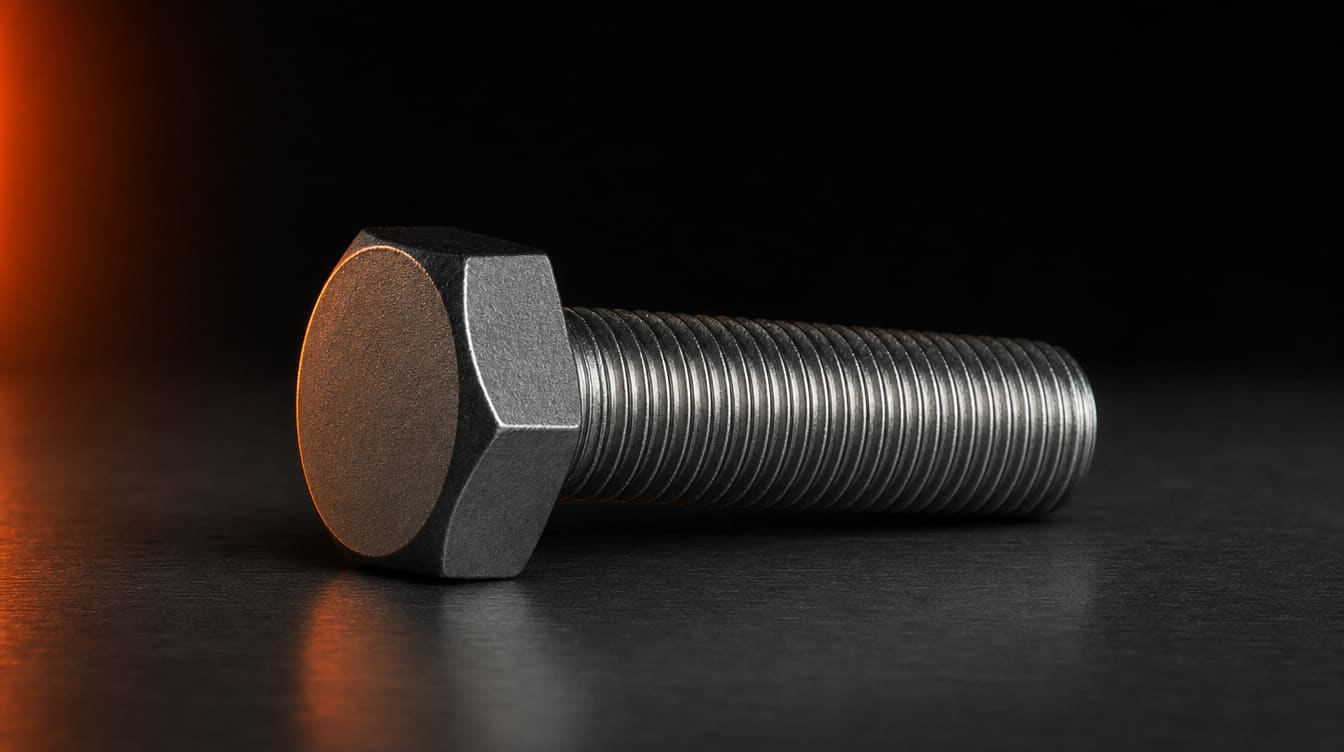
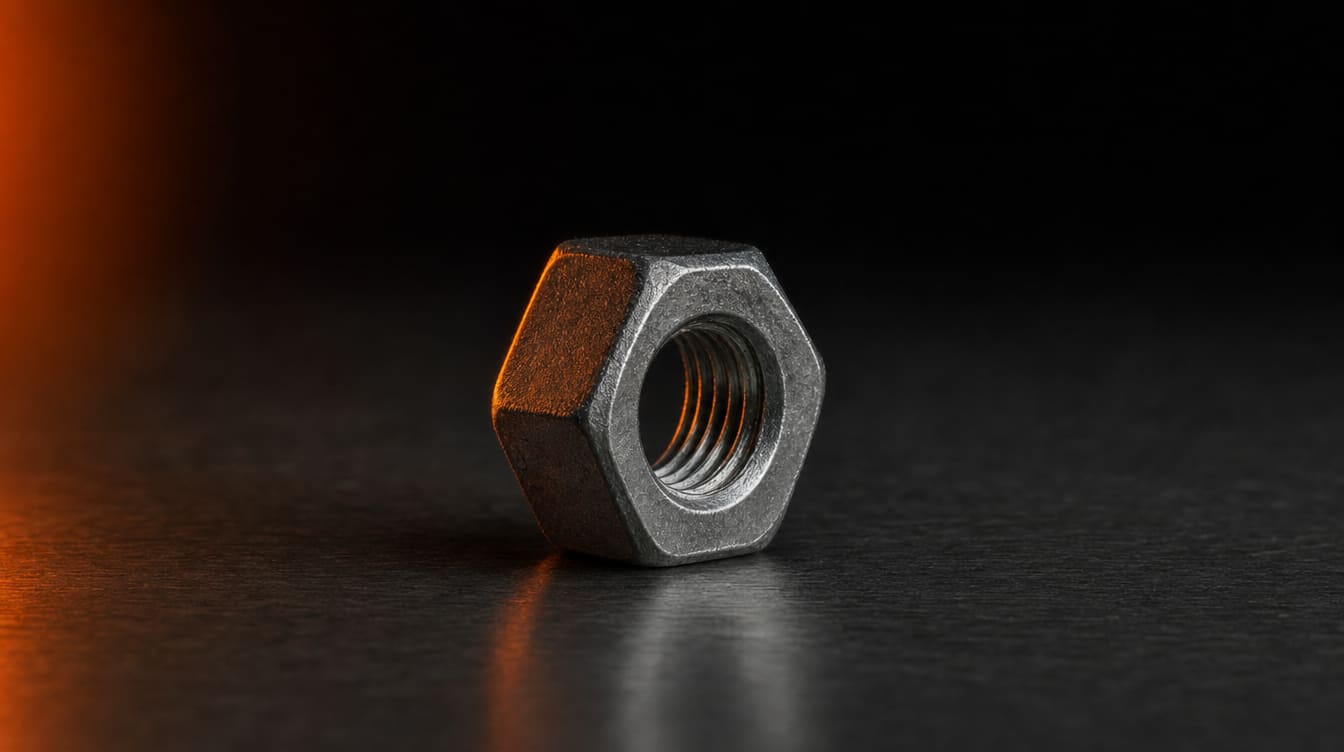
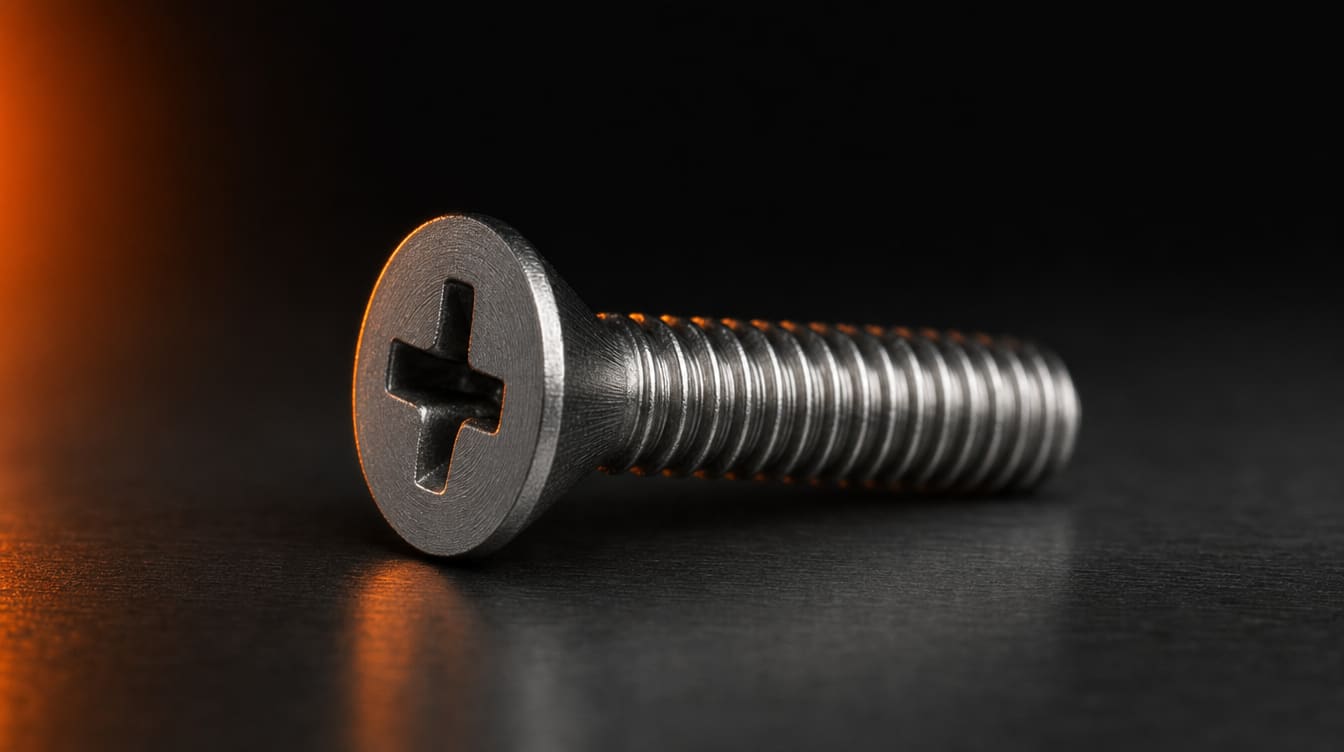
Inspection systems built for fasteners
Inspection systems we have built — the part, the checks, the camera system.
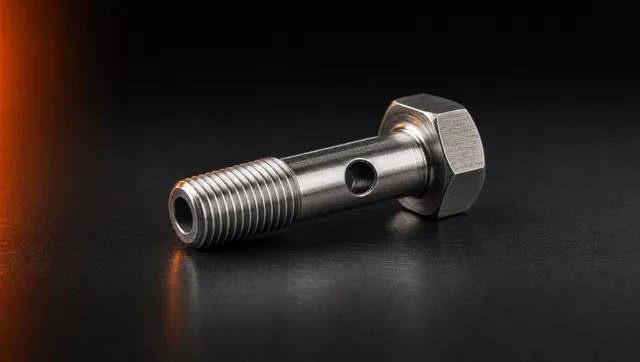 Banjo bolt inspectionOD, length, thread major/minor dia, thread angle; damages on thread & shank, bearing face, hex, hole continuity6-camera system
Which fastener defects can the machines catch?
The inspection list for fasteners covers Head Damage, Shank Damage, Hex Damage, Head Crack, Thread Dent, Dirt Mark, Thread Crack, Burr and Thread Damage — plus hole detection, OCR-OCV, operation-missing and presence/absence verification.
How fast can bolts and screws be inspected?
The Glass Disc configurations for bolts and nuts run at inspection speeds up to 300 PPM.
How do I find out if my fastener can be inspected?
Courier 50–100 sample fasteners — including a few defective pieces — to our lab in Bhosari, Pune. Our engineers run them on the actual machine platform and you receive a feasibility report, typically within a week. The check is free. Prefer to start online? Upload a drawing or photo of your fastener on the Ask AI page and get an engineering answer in minutes.
Talk it through with an engineer
Every part in this industry is different. Describe yours to VisiExpert and it checks it against the machines on this page; an engineer takes it from there.
See all machines