

Plastic parts inspection machines for moulded plastic components.
Moulding defects come in bursts — one bad cycle and a carton is contaminated with flash or short-mould parts. Visimaster machines inspect every moulded piece so a bad hour never becomes a rejected shipment.
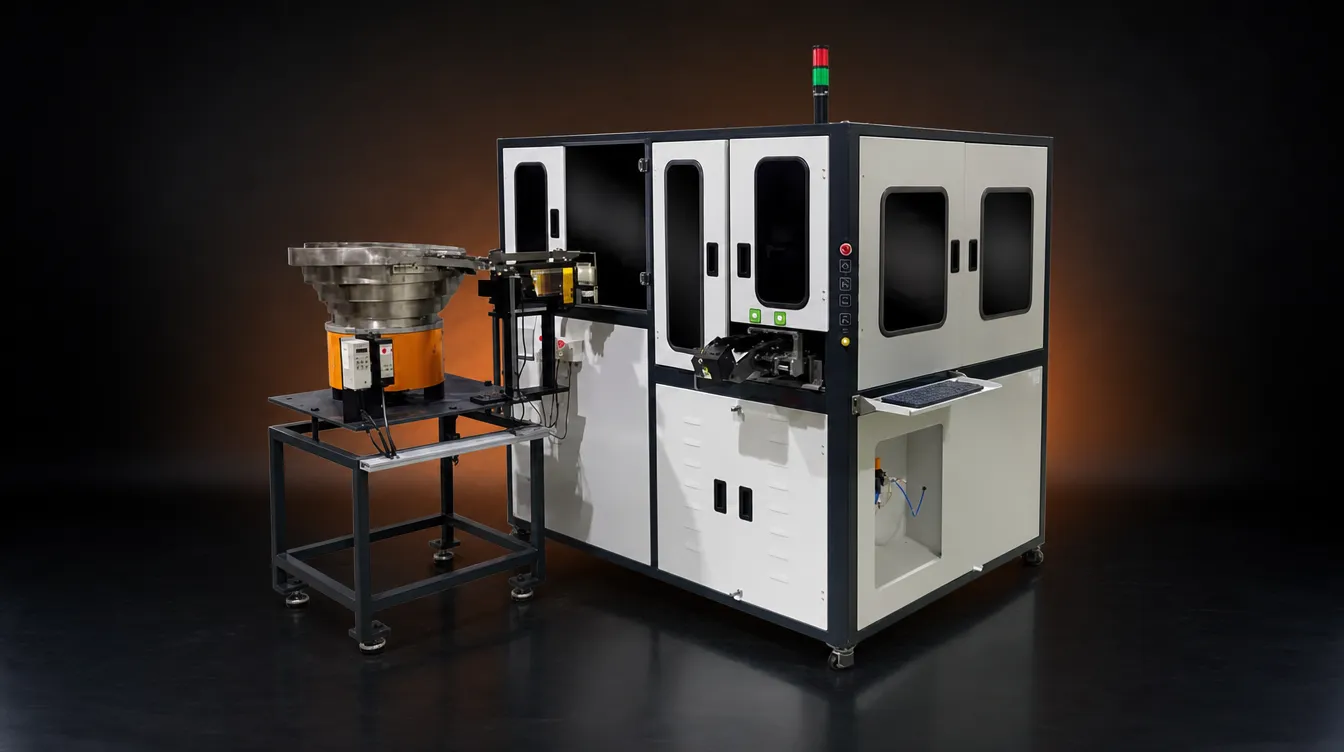
Defects caught
- Colour Detection
- wrong or uneven colour or shade
- Scratch Detection
- scratches and scoring on the surface
- Flash
- excess rubber or plastic squeezed out along the mould line
- Cut Marks
- knife-like cuts or nicks in the surface
- Flow Mark
- a wavy or streaked pattern from uneven material flow
- Damage
- general mechanical damage to the part
- Short Mould
- a part not completely filled in the mould
- Crack
- a visible fracture in the surface
- Texture Verification
- surface finish that differs from the reference
- Surface Deformities Detection
- warping, sink marks or other shape faults on a face
- Foreign Material
- a particle or contaminant stuck to the part
How plastic-part inspection works on a Visimaster line
- 1
Feed
- Moulded parts are fed onto the glass disc, manual or automatic loading
- Soft and small parts run on the Glass Disc plastic and rubber configuration
- Table-top Nano Glass Disc for small batches and small parts
- 2
Inspect
- Inner and outer diameter, angle and height measured on every piece
- Surface cameras: flash, short mould, flow marks, cut marks, cracks, scratches, damage, foreign material
- Colour detection and texture verification against the reference part
- Double Disc flips each part between two discs when both faces and the full surface must be seen, with AI/DL defect detection
- 3
Sort and report
- Defective pieces separated automatically; good pieces ejected in counted, quantity-wise batches
- Inspection speed up to 300 PPM, repeatability from 5 µm
- Nano Glass Disc saves every result with batch-wise and SPC reports
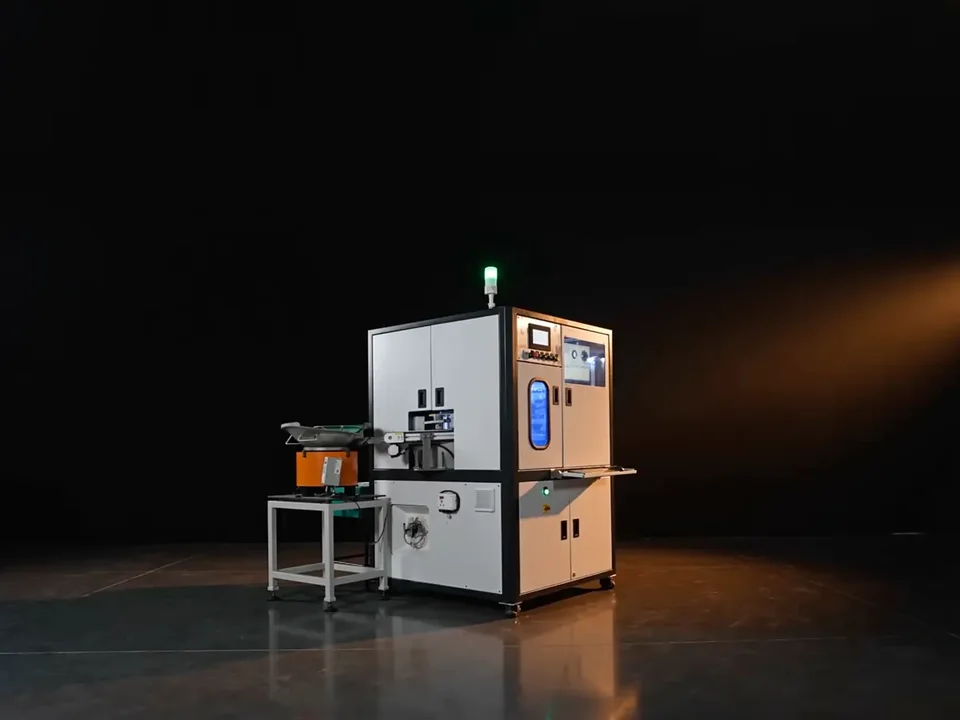
Glass Disc Machine for Plastic & Rubber Parts Inspection
300 PPM · soft partsPlastic Parts · Rubber Parts
- Cameras
- 6
- Footprint
- 2150 × 1700 × 2110 mm
- Weight
- 600 kg
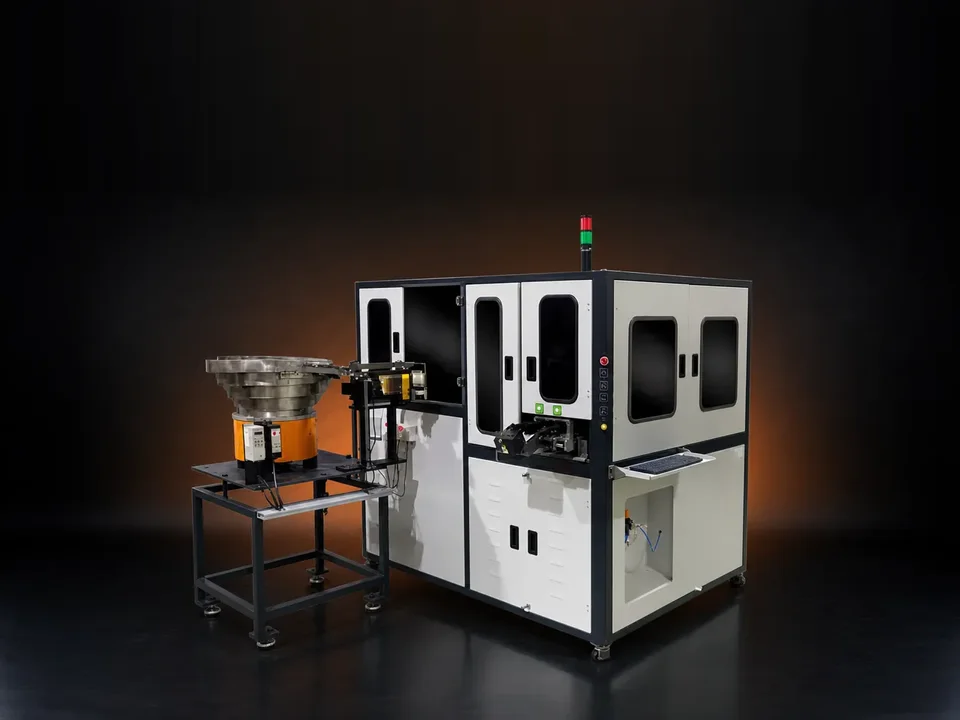
Double Disc
100% surface · AI/DLParts flipped mid-cycle between two discs to capture 100% of the surface area — with AI/DL defect detection.
- Cameras
- 8
- Footprint
- 2400 × 1680 × 2000 mm
- Weight
- 1200 kg
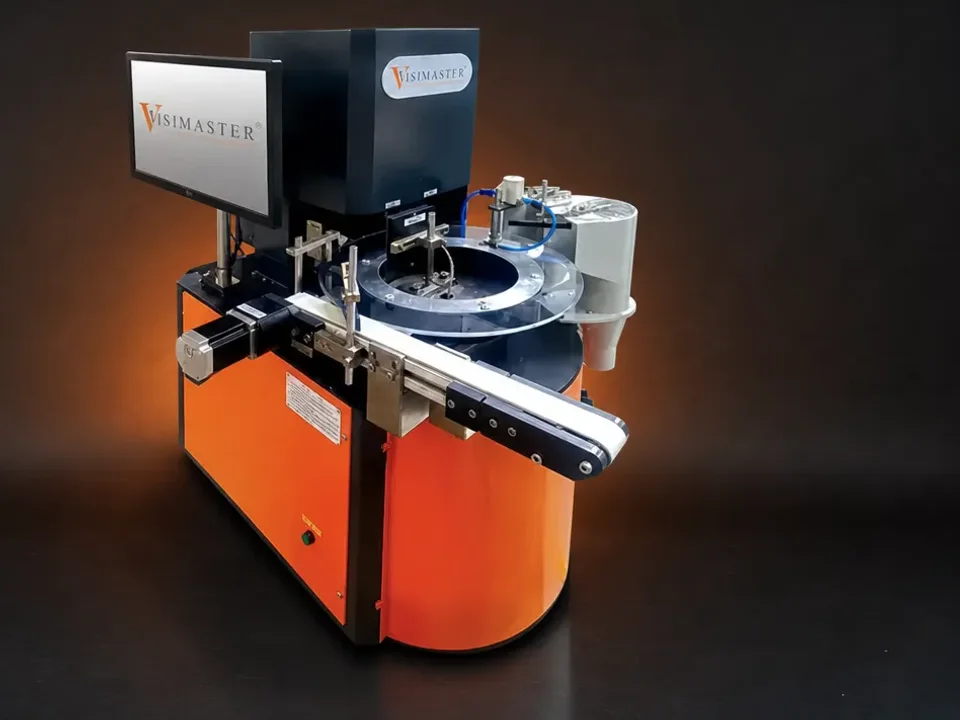
Nano Glass Disc
200 PPM · table-topCompact table-top glass disc for turned precision parts, fasteners and washers — detailed dimensional inspection in a bench footprint.
- Cameras
- 2
- Footprint
- 1000 × 600 × 900 mm
- Weight
- 100 kg
The parts, and the defects the cameras catch
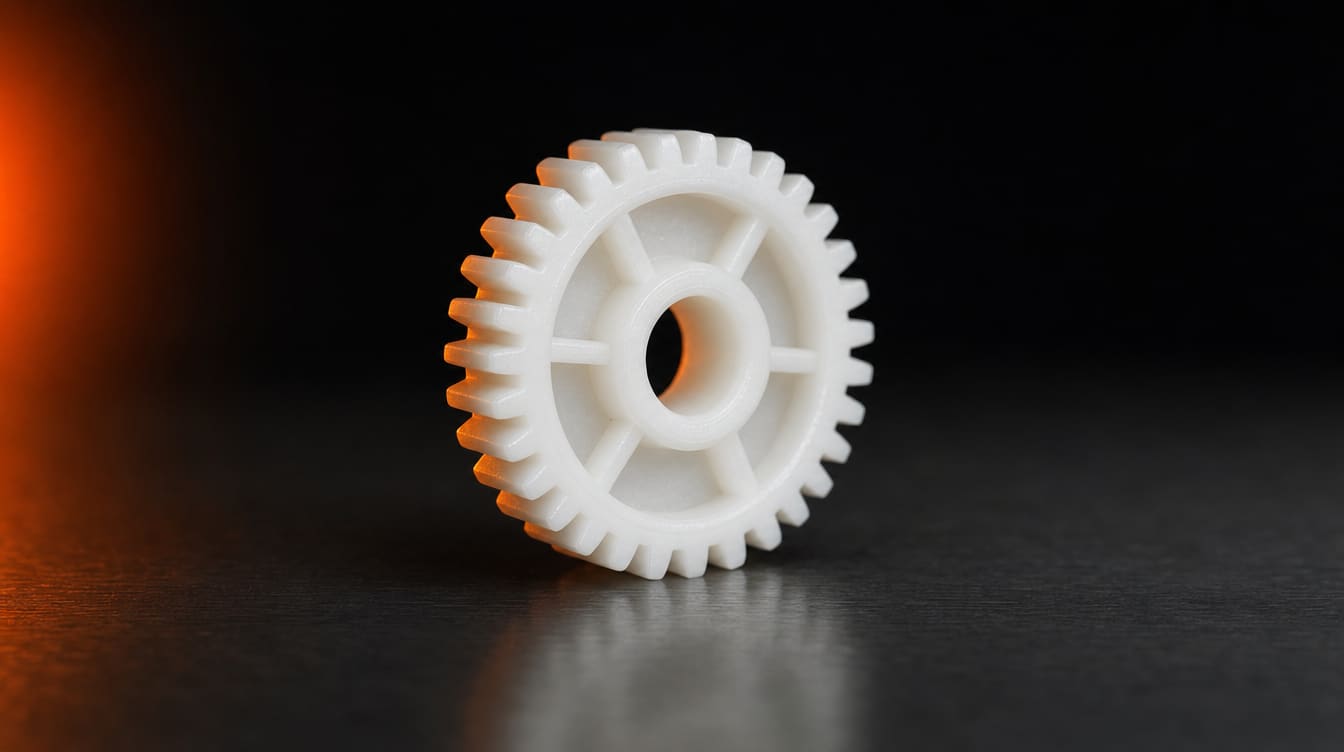
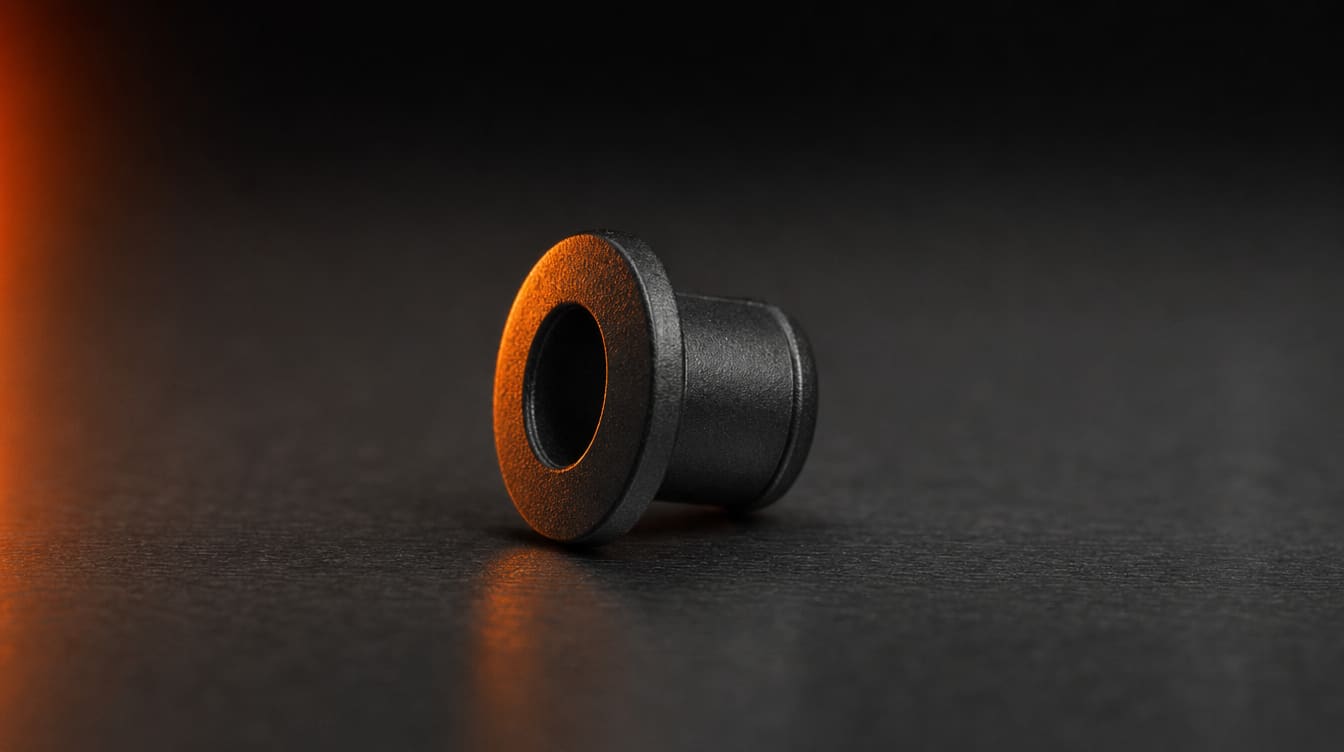
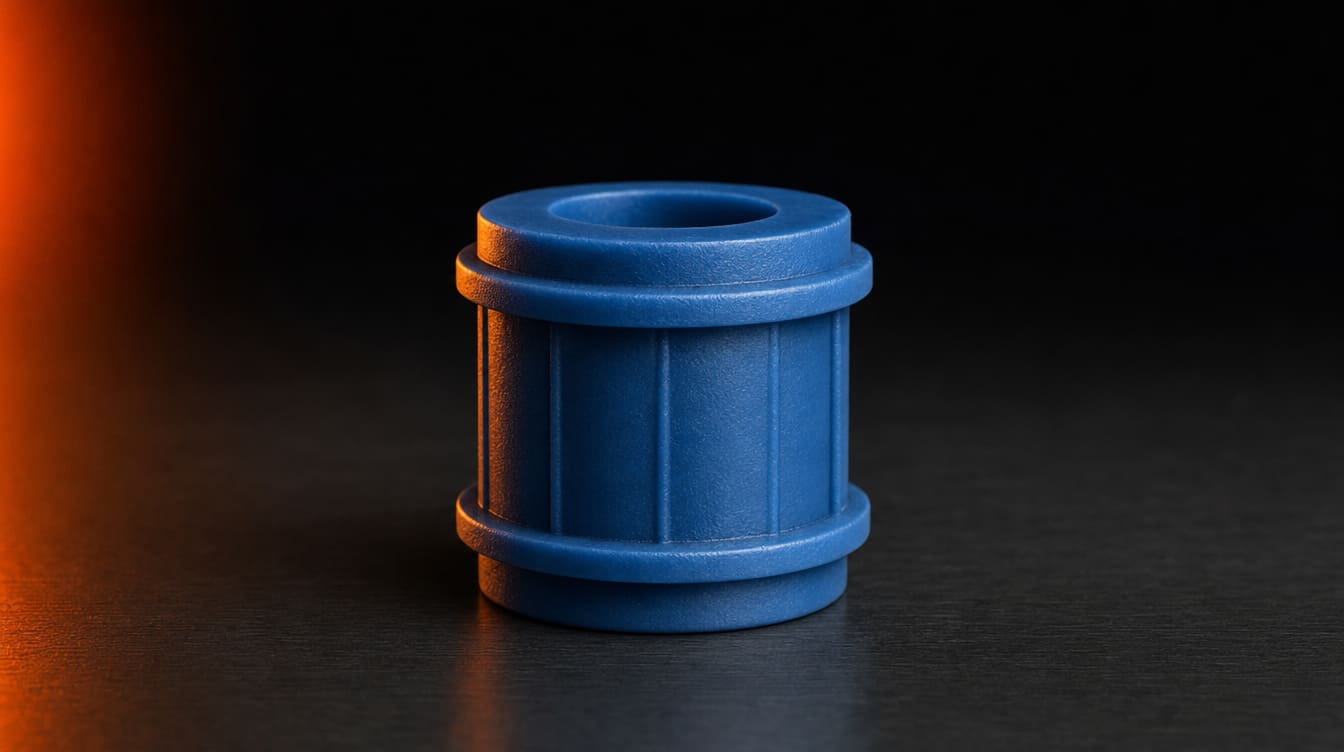
Inspection systems built for plastic parts
Inspection systems we have built — the part, the checks, the camera system.
 Plastic part inspectionFlash, protrusion, short shot pin, white patches, stake pin & guard bar damage, damaged insert, comb damageMulti-variety vision
Which moulding defects can be caught?
The inspection list for plastic and rubber parts covers Colour Detection, Scratch Detection, Flash, Cut Marks, Flow Mark, Damage, Short Mould, Crack, Texture Verification, Surface Deformities Detection and Foreign Material.
Can both faces of a moulded part be inspected?
Yes. The Double Disc flips each part between two discs mid-cycle so 100% of the surface is captured, with AI/DL defect detection; the Glass Disc configuration covers the top, bottom and outer surface in one pass.
How do I check if my plastic part can be inspected?
Courier 50–100 sample moulded parts — including a few defective pieces — to our lab in Bhosari, Pune. Our engineers run them on the actual machine platform and you receive a feasibility report, typically within a week. The check is free. Prefer to start online? Upload a drawing or photo of your moulded part on the Ask AI page and get an engineering answer in minutes.
Talk it through with an engineer
Every part in this industry is different. Describe yours to VisiExpert and it checks it against the machines on this page; an engineer takes it from there.
See all machines