

Vision system integration: inspection built into your production line.
Vision system integration puts cameras, lighting and inspection software to work inside an existing process — on your feeder, your conveyor, your assembly station — so the check happens where the part is made instead of at a separate bench.
Varad Automation has integrated vision systems for manufacturers since 2013: standalone machines, cells built into lines and retrofits on existing equipment, all supported from Pune.
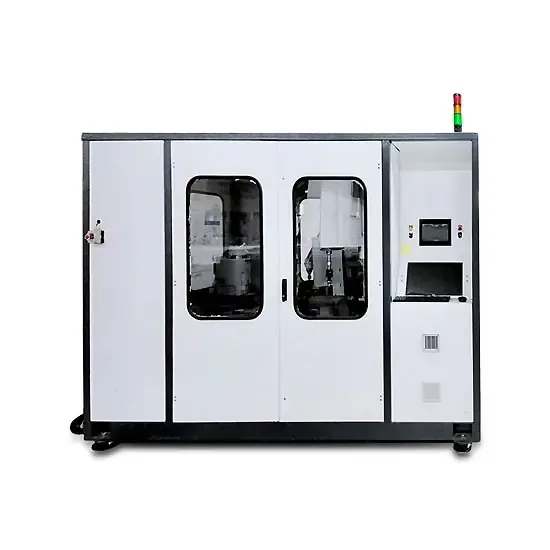
What an integrated vision system does on the line
- Inspects every part inline — no separate sorting step, no sampling
- Confirms operations were done — holes drilled, threads cut, parts present
- Rejects automatically, so a defective part is stopped at the machine
- Reports progress and defects per batch, without manual note-taking
- Removes people from repetitive or hazardous inspection tasks
Integration in four steps
- 1
Application study
Part, defects, rate, the station where inspection belongs and the signals your line already has.
- 2
Vision design
Camera, optics and lighting selected and proven on your samples; the inspection program written.
- 3
Mechanical and controls
Fixtures, sensors, ejection and the PLC or I/O handshake with your machine.
- 4
Commission and train
Installed on the line, run at rate, operators and maintenance trained, supported after.
Vision systems that integrate with your handling
Feeders, conveyors, pick-and-place and robots already talk to these platforms.
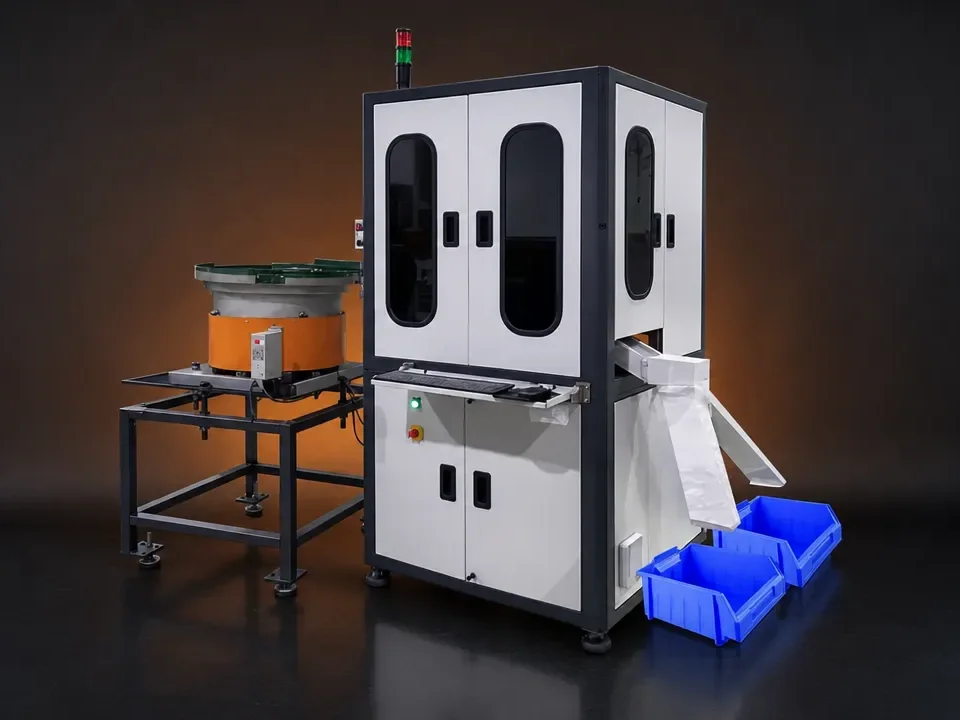
Conveyorised Inspection
Conveyor-fed inspection and sorting for dowel pins, studs and small shafts — auto feeding with SPC and batch reports.
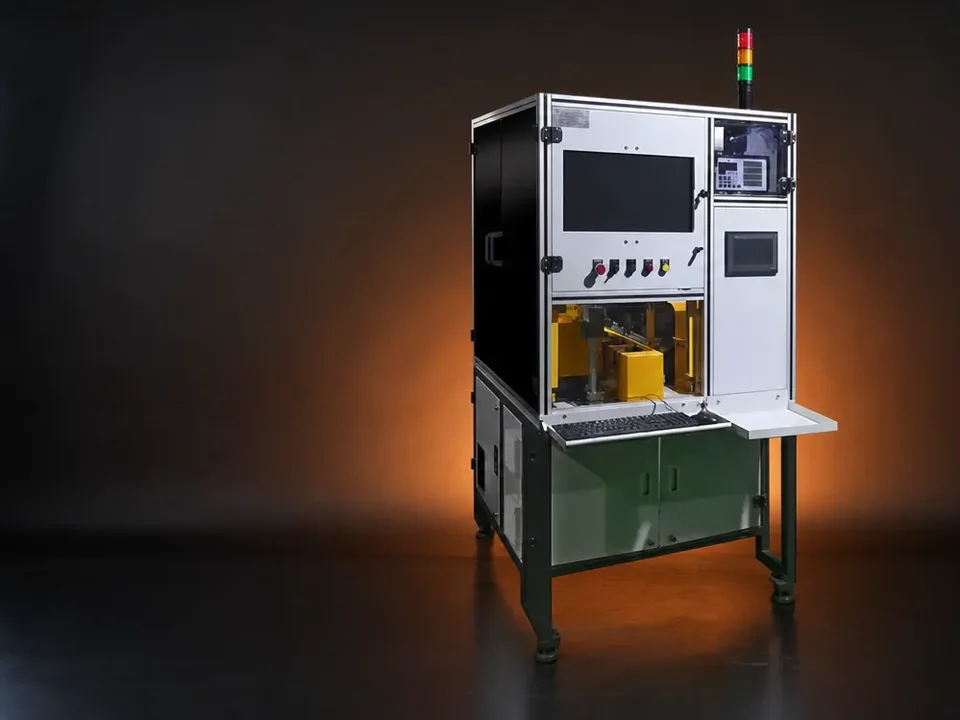
Linear Pick & Place
Multi-station inspection of parts critical to handle — 360° visual defects, ID and outer-thread checks, with auto sorting.
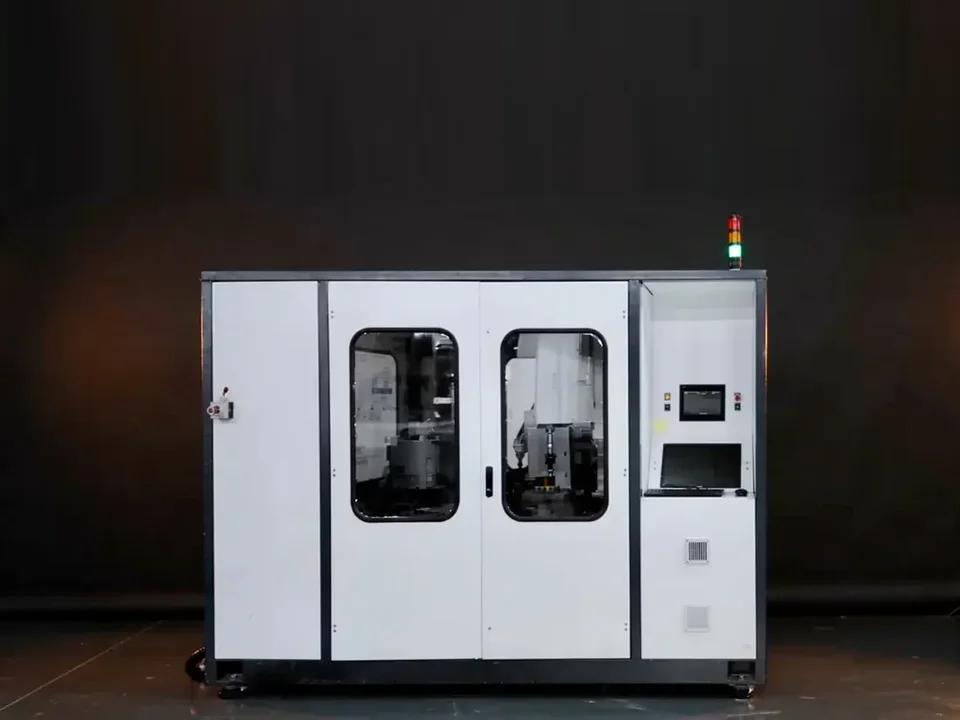
Robotic Sorting
Vision-guided robotic cells that inspect all dimensions and all visual defects, then segregate the parts.
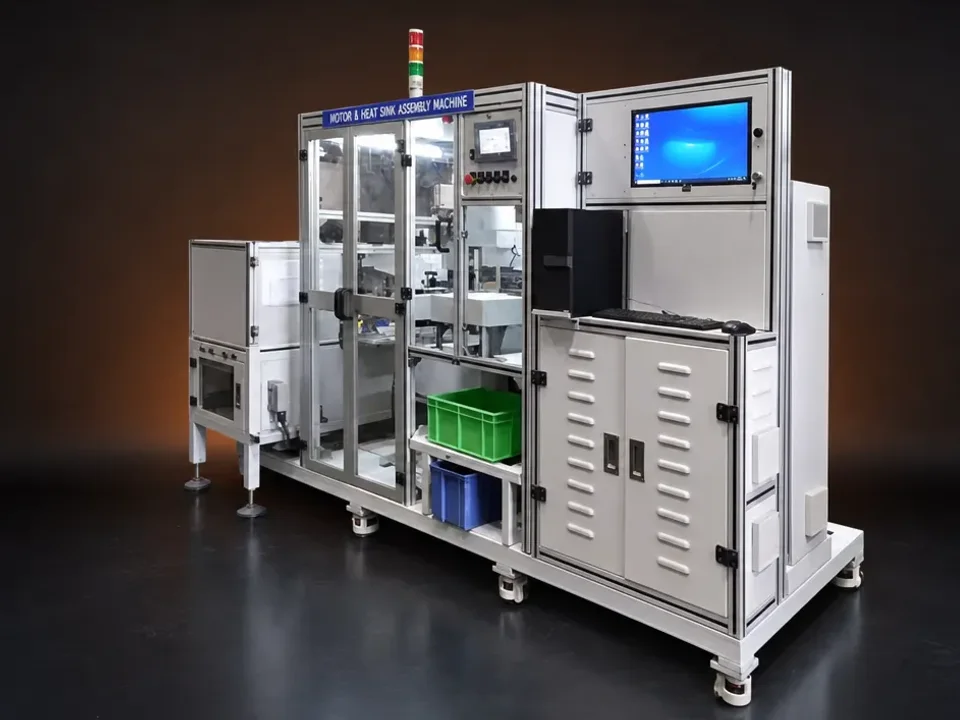
Robotic Assembly
Vision-guided assembly of delicate child parts — rivet and fuel-lid assemblies — inspected and assembled in one cell.
Why manufacturers trust Visimaster with integration
- After-sales support — follow-up, remote diagnostics and service visits so the system keeps running
- One maker for vision, robotics and assembly — no split responsibility
- Built in India for Indian shop floors, supported from Pune
- Inspection data and reports from day one, for quality and for production planning
An integrated cell in pictures
The Linear Pick & Place cell and its result screens from our own catalogue.
An integrated vision cell running
From our own YouTube channel — press play to load a film.
Pick & Place machine in action
Questions buyers ask
Which sensors can be combined with the cameras?
Integrations offered: an air gauge and a LASER sensor on the Linear Pick & Place — checks the camera cannot make are added at their own station.
What is vision system integration?
Fitting cameras, lighting and inspection software into an existing production process — on a feeder, conveyor or assembly station — so parts are inspected inline and rejects ejected automatically.
Can you integrate with my existing machine?
Yes — the vision system handshakes with your PLC or I/O, and mechanical fixtures and ejection are built for the station.
Is integration worth it for a small line?
If defects currently reach customers or a person sorts parts by hand, inline inspection usually pays for itself in rework and manpower; the feasibility study tells you what it can catch.
Who supports the system afterwards?
Varad Automation's own engineers — follow-up calls, remote diagnostics and on-site service from Pune.
Have a process no standard machine fits?
Describe the part, the task and the rate to VisiExpert, our AI application engineer, or courier samples to our Bhosari lab. An automation engineer scopes the cell and confirms feasibility — free.
Contact the works